Butterfly Frill Embroidery Designs Review
As an embroidery designer who has spent years refining digital files for both personal enjoyment and commercial production, I approach every new design with a mix of excitement and skepticism. When Butterfly Frill Embroidery Designs landed on my desk, I didn’t just look at the screen; I immediately started visualizing it on finished goods. For makers, Etsy sellers, and small business owners, the true test of a design isn’t how it looks in software, but how it performs as a tangible, sellable product. This review explores whether this file deserves a spot in your shop or studio.
First Impressions: Mood and Aesthetic Appeal
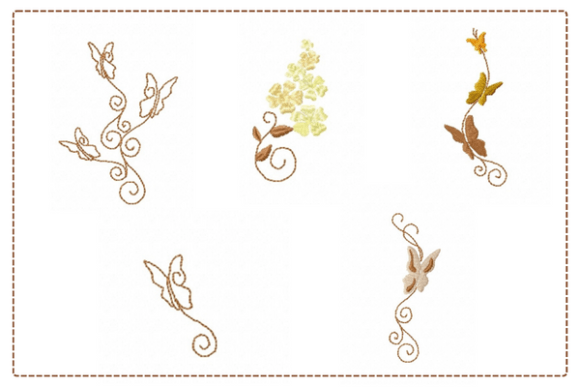
The moment you open the preview of Butterfly Frill Embroidery Designs, the first thing that strikes you is its delicate charm. The aesthetic leans heavily into the romantic and whimsical, making it instantly appealing for specific niches. It feels sweet without being overly childish, and elegant without feeling stiff. The "frill" aspect suggests texture and movement, which translates well to thread work if the stitch types are chosen correctly.
From a design perspective, the mood is versatile. It fits perfectly into the spring and summer seasons but maintains enough classic appeal to be used year-round. For a gift shop owner, this versatility is gold. It doesn’t scream "seasonal clearance"; instead, it whispers "thoughtful gift." The butterfly motif is universally loved, symbolizing transformation and beauty, which adds an emotional layer to the final product before the customer even unwraps it.
Product Applications and Giftability
In my testing phase, I imagined placing this design on various substrates to see where it would shine. The description notes that it works beautifully on pillows, towels, bags, apparel, and home decor. Here is how I envision these translating into high-performing products:
- Baby Embroidery and Nursery Decor: This is perhaps the strongest use case. A soft pastel version of Butterfly Frill Embroidery Designs stitched onto a white muslin blanket or a cream-colored crib sheet creates an instant heirloom piece. Parents are looking for items that feel handmade and special, and the delicate nature of this design promises exactly that.
- Wedding Gifts and Keepsakes: For bridal showers or wedding favors, this design offers a touch of romance. Imagine embroidered handkerchiefs, pillowcases for the newlyweds, or tote bags for guests. The intricate details suggest a higher perceived value, allowing you to price these items as premium custom gifts rather than mass-produced trinkets.
- Kitchen and Home Textiles: While butterflies might seem out of place in a rugged kitchen, they work wonderfully on light aprons, tea towels, or napkins. An embroidered towel featuring this design can elevate a simple housewarming gift into something memorable. Just ensure the fabric color complements the thread palette.
- Fashion and Accessories: For the craft fair crowd, applying this to denim jackets, canvas tote bags, or baby bonnets can create unique, one-of-a-kind pieces. The design’s balance of detail and negative space makes it suitable for apparel without overwhelming the garment.
When you photograph these finished products, the visual appeal drives engagement. A close-up shot of the thread texture against the fabric weave highlights the quality of the work, building trust with potential buyers who are wary of cheap, machine-made imitations.
Where Caution Is Required
Not every surface is created equal, and Butterfly Frill Embroidery Designs requires strategic placement to avoid common pitfalls. As a professional, I advise against using this design on surfaces that present significant structural challenges:
- Thick Towels and Heavy Denim: If the design contains fine lines or tiny fill stitches, thick terry cloth can obscure the details. The threads may sink into the pile, losing definition. Always test on a scrap of the actual fabric weight you plan to use.
- Stretchy Fabrics: Baby clothes made from jersey or ribbed knits require excellent stabilization. Without proper support, the "frills" of the design can pucker or distort during stitching, ruining the clean look required for a premium gift.
- Curved Surfaces: Attempting to hoop a curved item like a hat brim or a rounded bag corner can lead to misalignment. Flat surfaces like pillow covers or flat panels are safer bets for maintaining the integrity of the design.
- Dark Fabrics: If the design relies on light-colored threads for its delicate details, dark backgrounds will make those elements disappear. Ensure there is sufficient contrast between your thread colors and the base fabric.
Technical Considerations for Makers
Before listing this as a custom embroidery option or adding it to your inventory of small shop products, several technical checks are mandatory. A beautiful design fails quickly if the execution is flawed.
First, verify the stitch density. Delicate designs often suffer if the underlay is too heavy or the top stitches are too sparse. You want the frills to lie flat and smooth, not raised and bulky. Check the file to ensure the density matches the fabric type; lighter fabrics need lower density to prevent perforation or puckering.
Second, confirm the hoop size. Ensure the design dimensions fit comfortably within your standard hoops (such as 4x4, 5x7, or 6x10 inches) while leaving enough margin for hooping stability. If the design is large, consider breaking it into sections or using a larger multi-head machine setup if you are scaling up production.
Third, always perform a mockup. Use digital tools to overlay the design on photos of your actual products. This helps you visualize how the embroidery file interacts with the product’s shape and color. Does the butterfly sit awkwardly near a seam? Does the color clash with the fabric? These decisions are best made on screen, not on expensive inventory.
Commercial Licensing and Trust
For those selling finished goods, understanding the license is critical. Most digital embroidery files come with specific terms regarding commercial use. Ensure you have the right to sell physical items made from Butterfly Frill Embroidery Designs. Selling without proper licensing can lead to legal issues and damage your reputation as an ethical seller.
Transparency builds customer trust. When buyers know you’ve tested the design, used quality threads, and applied proper stabilizers, they perceive higher value. They aren’t just buying a butterfly; they are buying the assurance of a durable, beautifully crafted item. This perception is what turns a casual browser into a loyal customer.
Final Thoughts for the Creative Entrepreneur
Butterfly Frill Embroidery Designs is a strong candidate for any maker focused on personalized gifts. Its charm lies in its ability to evoke emotion—whether it’s the joy of a baby shower or the elegance of a wedding. However, success depends on execution. By respecting the limitations of fabric texture, ensuring proper stabilization, and choosing the right substrates, you can transform this digital file into a treasured physical object.
I recommend starting with a few test runs on your most popular product categories, such as blanket embroidery or pillow cover projects. Gather feedback from friends, family, or early customers. Once you’ve refined your process, you’ll find that this design becomes a staple in your catalog, consistently driving sales through its timeless appeal and handmade quality. Remember, in the world of handmade goods, the details are everything. Take the time to get them right, and your customers will reward you with their loyalty.