Elegant Hand Fan Embroidery Design Review
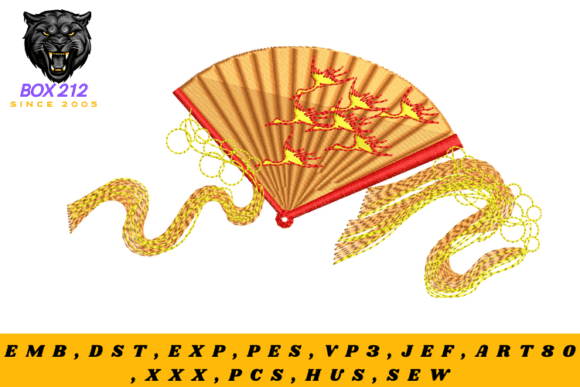
If you are preparing for a busy weekend craft fair or refreshing your Etsy seller shop with new handmade product ideas, the visual impact of your booth can make or break sales. As an experienced embroidery designer, I spend hours evaluating digital files before they ever hit the hoop. Today, I am reviewing the Elegant Hand Fan Embroidery Design. This intricate pattern showcases a beautifully detailed hand fan with ornate patterns, perfect for adding a touch of sophistication and grace to your projects.
This review focuses on practical application: how this design performs as a commercial item, its suitability for various accessories, and what you need to know before stitching it for profit.
First Impressions and Visual Appeal
The title alone sets a specific tone. "Elegant" suggests a premium feel, moving away from the rustic or farmhouse trends that have dominated the market for years. Instead, this design leans into classic beauty, making it ideal for boutique makers who want to offer something timeless. The description highlights "ornate patterns," which implies a higher level of detail than simple monograms or basic icons.
When you look at this design, it does not scream for attention with bold colors; rather, it invites the customer to lean in closer. For a craft fair product, this is a strategic advantage. It encourages engagement. Customers stop because it looks refined, and then they stay because they appreciate the craftsmanship required to execute such a detailed piece. It feels decorative yet wearable, striking a balance between art and utility.
Product Applications and Market Fit
One of the most critical questions for any embroidery business owner is: where does this design live best? The versatility of the Elegant Hand Fan Embroidery Design allows it to shine across several categories within the Accessories niche.
- Tote Bags: A tote bag design featuring this fan creates an immediate association with luxury shopping or library aesthetics. Placed centrally on a canvas tote, it elevates a basic commodity into a statement piece.
- Kitchen Linens: Tea towel embroidery is a staple at markets. The fan motif fits perfectly in a kitchen setting, suggesting elegance and hospitality. It works well on linen or high-quality cotton blends.
- Caps and Headwear: For apron embroidery or cap designs, the fan shape can be adapted to curve nicely along the front panel. However, spacing becomes crucial here to ensure the details do not get lost on curved surfaces.
- Small Pouches and Patches: This design translates beautifully to smaller items. An embroidered patch version could serve as a unique embellishment on denim jackets or backpacks, while a small pouch makes for an excellent low-cost impulse buy at checkout.
- Pillow Covers: Home decor remains a strong seller. A pillow cover featuring this fan adds a soft, sophisticated accent to living rooms or bedrooms, appealing to buyers looking for handmade gifts.
For digital sellers, this design also serves as excellent design assets. You can create printable mockups showing the fan on various backgrounds, helping physical sellers visualize the final result before they commit to production.
Production Practicality and Selling Points
From a production standpoint, understanding the mechanics of the file is just as important as its aesthetic. The "ornate patterns" mentioned in the description suggest a moderate to high stitch count. This impacts your pricing strategy. If the design requires significant time to stitch, your hourly rate must reflect that labor.
However, the design’s clarity is a major selling point. At a glance, the fan shape is recognizable. This legibility is vital for small shop product listings where customers might only see a thumbnail image. If the details blur too much at a small size, you lose the "elegant" appeal. Therefore, testing the design at various scales is essential.
Batch production is another consideration. Because the fan is a singular, cohesive graphic, it repeats well without looking cluttered. You can stitch multiple units efficiently if you have organized your thread colors and stabilizer setup correctly. This efficiency helps maintain healthy margins, which is the lifeblood of any commercial embroidery venture.
Technical Considerations and Careful Use Notes
Not all fabrics are created equal, and an intricate design like this demands respect for material limitations. Here are critical notes for successful execution:
- Stitch Density: Check the stitch density of the file. Ornate patterns often pack stitches tightly. If the density is too high for lightweight fabric, the material may pucker or distort. Always use the correct stabilizer—cut-away for stretchy fabrics and tear-away for stable wovens—to support the design.
- Fabric Texture: Avoid highly textured fabrics like thick chenille or rough burlap for this specific design. The fine details of the fan will get lost in the weave. Smooth cottons, linens, or poly-cotton blends provide the cleanest canvas.
- Thread Contrast: Thread choice is paramount. On dark fabrics, you may need a backing layer to prevent show-through, but more importantly, ensure your thread colors pop against the background. Low-contrast combinations (like grey thread on black fabric) will cause the intricate lines to disappear.
- Hoop Size Constraints: Confirm the recommended hoop size for this embroidery file. If the design is large, it may require multiple hooping positions, which increases the risk of misalignment. Ensure your machine can handle the dimensions comfortably.
- Small Details: Be wary of tiny elements within the fan’s lacework. If these stitches are too short or thin, they may break during trimming or wash out over time. Inspect the digitization quality closely.
Essential Pre-Production Checklist
Before you list this as a finished product, follow these professional steps:
- Test Stitch: Never sell a design you haven’t stitched first. Test on scrap fabric that matches the weight and texture of your final product.
- Check Commercial Licensing: Verify the terms of the digital embroidery file. Some licenses restrict the number of items you can sell or prohibit certain uses. Protect your business by confirming you have the right to sell finished product versions.
- Create Mockups: Produce at least one real mockup. Photograph it in natural light. See how the light catches the threads. Does the fan still look elegant, or does it look muddy?
- Compare Colors: Lay out your thread spools next to the design printout. Ensure the color palette complements the intended fabric. A mismatched palette can ruin even the best design.
Final Verdict
The Elegant Hand Fan Embroidery Design is a strong contender for sellers aiming to elevate their brand perception. It moves beyond the generic and offers a sense of class that resonates with customers willing to pay a premium for quality. Whether you are displaying it on a market bag at a local fair or listing it as a gift option online, the key lies in execution.
By paying attention to fabric selection, stabilizer usage, and thread contrast, you can transform this digital pattern into a tangible success. It is not just an accessory; it is a reflection of your skill as a maker. When done right, this design will stand out on your table, drawing eyes and building trust in your handmade quality. For those ready to invest the time in proper production, this design offers both aesthetic reward and commercial potential.