Haglos Number Fonts Embroidery Design Review
As an embroidery designer who has spent years refining my craft for boutique clients and personal commissions, I am always on the lookout for digital assets that elevate a simple stitch into a cherished keepsake. Recently, I put Haglos Number Fonts Embroidery Design to the test. My goal was straightforward: determine if this font could hold its own in a high-volume personalized gift shop environment. Would it translate well from screen to fabric? Could it withstand the scrutiny of customers expecting premium quality? After running several tests on various materials and imagining the final product for real-world scenarios, I have compiled my findings.
First Impressions and Aesthetic Appeal
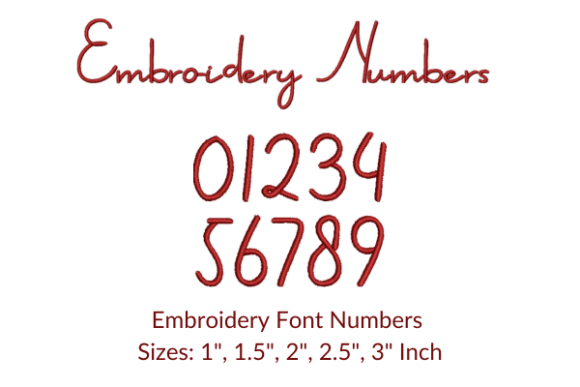
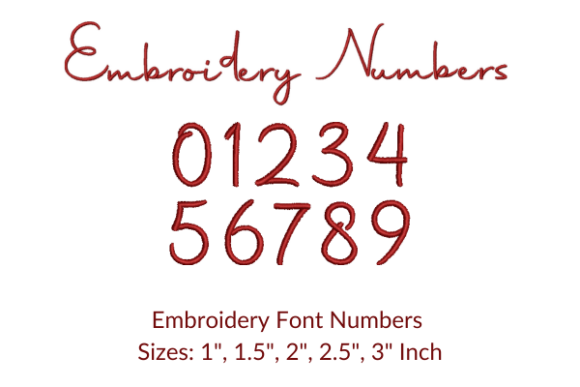
When you first load a new embroidery file, your eye immediately scans for clarity, balance, and charm. Haglos Number Fonts Embroidery Design strikes a delightful balance between classic elegance and modern playfulness. The numbers are not merely functional; they possess a distinct personality. Whether used for a baby’s birth year or a wedding anniversary date, the design feels intentional and carefully crafted.
The mood of this design is warm and inviting. It does not feel overly rigid or corporate. Instead, it carries a handmade quality that resonates deeply with today’s market. For an Etsy seller or a small business owner specializing in handmade products, this aesthetic is gold. It suggests thoughtfulness. When a customer sees a name or date stitched in Haglos, they do not see just text; they see a memory preserved. The detail level is sophisticated without being overwhelming, making it suitable for both delicate nursery items and sturdier household goods.
Real-World Application: From Screen to Keepsake
To truly understand the value of a machine embroidery design, you must visualize it on the finished product. Let us imagine a specific scenario: a client requests a custom baby blanket for a newborn named Leo, born in 2024. Using Haglos Number Fonts Embroidery Design, I placed the number "2024" alongside the name. The result was stunning. The font anchored the design beautifully, providing a focal point that drew the eye without competing with the surrounding motifs.
This versatility extends far beyond baby blankets. Consider a couple seeking a wedding gift. A set of monogrammed kitchen towels featuring their married date in Haglos adds a touch of romantic nostalgia. Or perhaps a custom tote bag for a new parent, where the diaper bag features the child’s initials and birth year. In each case, the personalized gift feels more valuable because the typography is unique and polished.
For digital product sellers offering printable mockups, this font is a powerhouse. It photographs exceptionally well. The clean lines and balanced proportions make it easy to showcase in listings, increasing buyer engagement. Customers trust designs that look professional even in static images, and Haglos delivers that confidence.
Ideas for Diverse Product Lines
- Nursery Decor: Create wall hangings or crib sheets where the child’s age or birth year is highlighted.
- Appliqué Projects: Use the numbers as a base for appliqué flowers or animals, adding depth to the piece.
- Accessories: Stitch dates onto aprons for chefs or bakers, creating a memorable gift for holidays.
- Pillow Covers: Combine the font with floral borders for a timeless living room accent.
Critical Considerations and Fabric Constraints
While Haglos Number Fonts Embroidery Design is versatile, no design is universal. As a professional, I must advise caution in certain applications. The success of any custom embroidery project depends heavily on the interaction between the thread, the fabric, and the stabilizer.
First, consider fabric texture. Thick terry cloth, such as that found on high-quality embroidered towel sets, can obscure fine details. If the font relies on thin connecting threads, these may break or become invisible in plush fabrics. Similarly, stretchy baby clothes require careful hooping and appropriate stabilizers to prevent distortion. Always test on scrap pieces of the actual garment fabric before committing to the final piece.
Dark fabrics present another challenge. Light-colored threads may lack contrast against navy or black backgrounds, reducing readability. I recommend creating printable mockup versions with different thread color combinations to preview how the design will appear. Additionally, be mindful of curved surfaces like hats or bags. Flat fonts can sometimes pucker when applied to three-dimensional objects, so reviewing the stitch density is crucial.
Technical Notes for the Embroidery Maker
To ensure your finished product meets the highest standards, follow these practical steps during production:
- Test on Scrap Fabric: Never skip this step. It reveals issues with tension, pull compensation, and thread breakage.
- Check Thread Color Contrast: Ensure the chosen thread colors pop against your selected material.
- Confirm Hoop Size: Verify that the design fits within your standard hoops or adjust accordingly to avoid stitching errors.
- Review Stitch Density: High density can make fabric stiff, which is undesirable for soft baby items. Low density may show through on light fabrics. Find the sweet spot.
- Use Proper Stabilizer: Cut-away stabilizers are generally best for garments, while tear-away works for stable home decor items.
- Inspect Small Details: Zoom in on the digitized file to check for tiny elements that might not stitch out clearly.
Please note that specific technical details such as exact stitch counts, supported file formats, and recommended hoop sizes are not provided in the original description. It is essential to check these specifications in your software before purchasing or using the digital embroidery file.
Impact on Giftability and Brand Value
In the world of small shop products, perception is reality. A well-executed embroidery font elevates the perceived value of your item. When a customer receives a gift with crisp, clear, and charming lettering, they perceive higher effort and care. This builds customer trust and encourages repeat business.
Furthermore, a strong typographic element enhances emotional connection. Numbers represent time—births, anniversaries, milestones. By using a font like Haglos, you are not just selling a product; you are selling a narrative. This emotional resonance is what turns a one-time buyer into a loyal advocate for your brand. For commercial embroidery businesses, this means higher margins and stronger word-of-mouth referrals.
Final Verdict
Haglos Number Fonts Embroidery Design is a robust addition to any digitizer’s toolkit. Its blend of sweetness, elegance, and readability makes it ideal for a wide range of personalized gifts. From baby embroidery projects to wedding gift keepsakes, it performs reliably when paired with appropriate fabrics and techniques.
However, remember that technology is only half the equation. Your skill in preparation, stabilization, and finishing determines the final outcome. Test thoroughly, respect the limitations of your materials, and always prioritize quality control. By doing so, you will create handmade products that customers treasure for years to come. If you are looking to add a touch of refined simplicity to your Embroidery Fonts collection, Haglos is a worthy candidate.