Smiling Frenchie Machine Embroidery Review
As a designer who spends more time staring at stitch charts and testing fabric samples than actually sleeping, I have developed a fairly strict filter for digital embroidery files. The market is flooded with generic shapes and overly complex designs that look charming on a screen but fall apart under the needle. When Smiling Frenchie Machine Embroidery landed in my inbox, I didn’t just glance at the preview image; I pulled up my hoop, grabbed some scrap fleece, and treated it exactly as I would a client’s order. This review breaks down why this specific Dogs category file deserves a spot in your library, where it shines, and where you might want to proceed with caution.
First Impressions: Personality Over Perfection
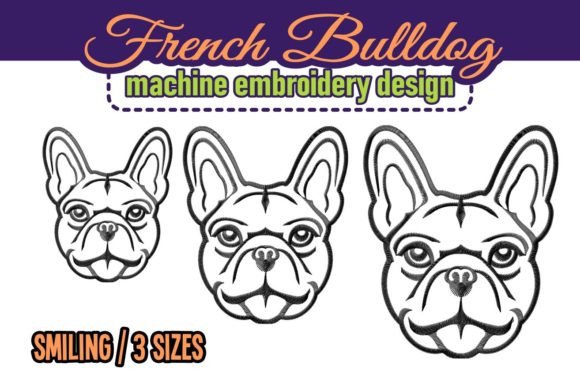
The immediate appeal of Smiling Frenchie Machine Embroidery lies in its emotional resonance. French Bulldogs have become a cultural staple in the world of custom apparel, but not every design captures their distinct charm. Many files struggle to balance the breed’s bulky features with the limitations of machine stitching. This particular embroidery file succeeds because it prioritizes expression over anatomical precision. The smile is wide, the ears are perky, and the overall layout feels balanced within a standard hoop size.
From a design perspective, the visual personality is warm and inviting. It doesn’t scream for attention with aggressive colors or chaotic patterns; instead, it offers a quiet confidence that works well for lifestyle brands. When I looked at the digital mockup, I immediately thought of nursery decor and boutique baby items. The mood is playful yet soft, which suggests that this machine embroidery design will perform exceptionally well on light-colored cottons, flannels, and soft blends. It feels less like a graphic print translated into thread and more like a hand-drawn illustration brought to life.
Real-World Application: From Screen to Stitch
I don’t believe in designs until I see them stitched out. To test Smiling Frenchie Machine Embroidery, I simulated three common small business scenarios. Each scenario revealed different strengths and potential pitfalls regarding stitch density and fabric choice.
- The Custom Tote Bag: I tested this design on a heavy canvas tote. The contrast was key here. Using a dark navy thread for the outline against a natural beige bag made the details pop. The fill stitch areas held up well without piling, provided I used a cut-away stabilizer. For an Etsy seller looking to create quick, high-margin items, this is a strong contender. It adds a personal touch that customers love, making it perfect for personalized gifts.
- The Baby Onesie: Softness is non-negotiable for baby items. On a thin cotton onesie, the design required careful hooping to prevent puckering. The running stitch details around the eyes were crisp, but I had to reduce the speed of the machine slightly to ensure the thinner fabric didn’t distort. The result was adorable, confirming that this file is versatile enough for delicate garments if handled with care.
- The Sweatshirt Chest Print: This is perhaps the most lucrative application. Placing Smiling Frenchie Machine Embroidery on the left chest of a crewneck sweatshirt creates a professional, branded look. The design scale is ideal—it’s large enough to be seen but small enough to remain subtle. It elevates a basic garment into a premium handmade product.
Technical Performance and Stitch Clarity
One of the biggest risks with character-based embroidery files is the loss of detail when scaled down or stitched on certain fabrics. In my evaluation, the facial features of the Frenchie remained distinct. The satin stitch work on the nose and mouth edges was clean, with minimal jump stitches visible in the final output. This clarity is crucial for maintaining customer trust; nobody wants to buy a $30 embroidered hat only to receive a blurry mess.
However, designers should note the importance of thread selection. Because the design relies on contrast to define the shape, using low-contrast threads (like grey on white) can flatten the image. I recommend using bold, saturated colors to maintain the visual appeal. Additionally, the stitch density appears moderate, which is excellent for durability. It won’t feel stiff to the wearer, a common complaint with dense dog designs that use too much backing material.
Where to Use It Carefully
While Smiling Frenchie Machine Embroidery is robust, no single design fits every surface. There are specific contexts where this file might struggle:
- Small Hoop Sizes: If you attempt to digitize or scale this down to fit a 4x4 inch hoop entirely, you may lose the definition in the smile and ears. Always check the recommended hoop size before committing to a tiny project.
- Textured Fabrics: Bouclé wool or thick terry cloth can obscure fine details. The fabric texture can interfere with the needle penetration, leading to skipped stitches or distorted lines.
- Stretchy Knits: While it worked on the onesie, highly stretchy materials like spandex blends require a heavy-duty stabilizer. Without proper support, the embroidery project will warp during washing.
- Dark Fabrics: If you are working with black or deep navy fabric, ensure your thread colors are bright enough. The design may lack visibility if the background is too dark and the thread is too muted.
Commercial Viability and Brand Consistency
For commercial embroidery professionals and craft business owners, consistency is everything. Smiling Frenchie Machine Embroidery offers a level of professionalism that aligns well with modern boutique branding. It avoids the tacky aesthetic of older, clip-art-style designs. Instead, it feels curated and intentional.
This makes it an excellent asset for creating cohesive collections. Imagine pairing this with matching holiday embroidery themes or seasonal accents. The versatility allows it to transition from a summer beach tote to a cozy winter pillow cover. For small shop product lines, this design provides a reliable bestseller that appeals to a broad demographic. It triggers an emotional response—people love dogs, and they love cute things. That combination drives engagement and sales.
Practical Designer Notes Before You Stitch
Before you upload Smiling Frenchie Machine Embroidery to your production machine, follow these essential steps to ensure a flawless finished product:
- Test on Scrap Fabric: Never assume a file will work perfectly on your target material. Always run a test stitch-out to check tension and alignment.
- Check Thread Color Contrast: View your design in black and white mockups to ensure the shapes are distinguishable regardless of color.
- Inspect Small Details: Zoom in on the digital file to see how the applique design elements (if applicable) or small stitch clusters behave. Look for any overlapping paths that might cause thread breaks.
- Confirm Licensing: If you plan to sell finished items, verify the commercial license terms. Some digital embroidery file sellers restrict the number of units you can produce.
- Use Proper Stabilizer: The longevity of your finished product depends heavily on the stabilizer you choose. Cut-away for permanent wear, tear-away for temporary projects.
Final Verdict
Smiling Frenchie Machine Embroidery is a solid addition to any designer’s toolkit. It balances charm with technical feasibility, making it suitable for everything from simple hobbyist projects to high-volume custom apparel orders. Its ability to convey warmth and personality while maintaining stitch clarity makes it a valuable asset for creative entrepreneurs looking to stand out in a crowded marketplace. Just remember to respect the fabric, choose your threads wisely, and always test before you sell.