Soaring Kite Embroidery Design Review
As a designer who spends half my life staring at stitch charts and the other half troubleshooting tension issues on vintage machines, I don’t just look for pretty pictures when I browse embroidery files. I look for viability. I look for designs that translate well from a digital preview to a physical finished product. Today, I’m putting the Soaring Kite Embroidery Design through its paces. This piece falls squarely into the Toys category, but in the world of machine embroidery, "toys" often means high-volume, high-emotion products like baby gear, children’s apparel, and playful home accents.
I’ve been asked frequently whether whimsical themes hold up in commercial settings or if they feel too juvenile for serious branding. My answer is usually no—provided the execution is sharp. Let’s dive into how this specific design performs when you are actually preparing it for production, whether you are an Etsy seller listing your first batch of personalized gifts or a boutique owner looking for unique small shop product ideas.
First Impressions: Mood and Visual Personality
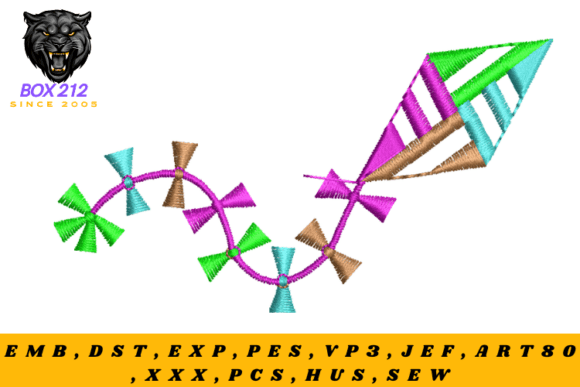
The moment you open the file for the Soaring Kite Embroidery Design, the mood is immediately established. It isn’t trying to be minimalist or starkly modern; it leans into a nostalgic, cheerful aesthetic. The shape captures the joy of childhood without relying on overly complex character faces that might age poorly. Instead, it relies on strong lines and a sense of upward motion.
From a design perspective, the visual personality is approachable. It feels light, which is crucial because kites are inherently airy subjects. If the embroidery density were too heavy, the design would lose that delicate, floating feeling. In the preview, the layout suggests a balanced composition that works well as a standalone focal point. It doesn’t scream for attention with neon colors (which you can’t see in a black-and-white mockup anyway), but it promises a soft, textured result once stitched out.
This kind of embroidery project naturally belongs in spaces where comfort and play intersect. It fits seamlessly into nursery decor, spring-themed collections, or outdoor lifestyle branding. For those of us selling digital product previews, this design offers excellent versatility for mockups involving blue skies, green grass, or cozy indoor settings.
Real-World Application: Where Does It Shine?
Let’s talk about actual use cases. I recently imagined using this design for a custom embroidered tote bag intended as a gift for a niece’s birthday. Here is how the Soaring Kite Embroidery Design translates to different surfaces:
- Tote Bags: Canvas totes are a staple for craft fairs. Placing this design off-center on a natural canvas bag creates an instant boutique vibe. The contrast between the rough fabric texture and the smooth threads of the kite will pop beautifully.
- Baby Embroidery: Think onesies, muslin blankets, or hooded towels. Whimsical themes are safe bets here because parents want items that feel gentle and joyful. However, size matters immensely on tiny garments.
- Sweatshirt Embroidery: A larger version of this design could work wonderfully on the back of a child’s hoodie or the front pocket of a sweatshirt. The theme aligns perfectly with spring and summer activities.
- Home Decor: Pillow covers or kitchen towels featuring this design add a touch of whimsy to domestic spaces. It serves as a great conversation starter and elevates a simple tea towel into a thoughtful personalized gift.
For the Etsy seller or craft business owner, this design bridges the gap between mass-produced items and high-end art. It feels handmade enough to justify a premium price point but clean enough to replicate consistently across multiple units.
Technical Performance and Stitching Clarity
When evaluating any machine embroidery design, I always think about the stitch types involved. A successful design typically uses a mix of satin stitches for outlines and fill stitches for color blocks, perhaps accented by running stitches for details like kite strings or wind lines.
In the case of the Soaring Kite Embroidery Design, clarity is key. If the design includes thin lines representing the kite’s tail or bridle, those need to be executed with precision. On thicker fabrics, these fine details can get lost or become stiff. On thinner fabrics, there is a risk of puckering if the stitch density is not calibrated correctly.
I recommend testing the thread colors carefully before committing to a full run. While the digital preview might show vibrant blues and reds, the actual thread colors you choose in your machine will dictate the final mood. A pastel palette will make the design feel softer and more suitable for baby items, while bold primary colors will lean into a more graphic, toy-like appearance. Always check the contrast against your chosen fabric background. Dark fabrics require lighter thread choices to ensure the white space of the kite remains visible, preventing the design from looking muddy.
Where to Use Caution
No design is perfect for every surface. There are specific scenarios where the Soaring Kite Embroidery Design requires careful handling:
- Small Hoop Sizes: If you are working on very small items like socks or tiny patches, ensure the design scales down cleanly. Small details may merge together if the hoop size is too restrictive.
- Textured Fabrics: While canvas works well, highly textured fabrics like bouclé or thick terry cloth can obscure the finer details of the embroidery. Test on scrap first.
- Stretchy Fabric: Knits can distort during stitching. You must use a proper stabilizer to prevent the kite shape from warping.
- Dense Stitch Areas: Avoid placing this design over seams, zippers, or existing pockets, as the added bulk can cause discomfort or machine errors.
- Curved Surfaces: Embroidering directly onto caps or curved hat fronts can be tricky. Ensure your digitizing software accounts for the curvature, or consider creating an embroidered patch that can be ironed or sewn on later.
Designer Notes for Professional Results
To get the most out of this embroidery file, follow these practical steps:
- Test on Scrap Fabric: Never skip this step. Watch how the needle penetrates the material and how the thread lays.
- Check Stabilizer Choice: Cut-away stabilizers are generally best for durability, especially for items that will be washed frequently. Tear-away may suffice for one-time wearables.
- Inspect Small Details: Zoom in on the digital file. Are the lines too close together? Will they fuse during stitching?
- Black and White Mockups: View your design in grayscale to check for value contrast. If the design looks flat in black and white, it will likely look flat in color.
- Licensing: Before you start selling commercial embroidery projects, confirm the license terms. Some files are for personal use only, while others allow limited commercial sales. This protects your brand consistency and legal standing.
Final Verdict
The Soaring Kite Embroidery Design is a charming, versatile asset for any embroiderer’s library. It captures a specific emotional tone—joyful, light, and nostalgic—that resonates well with buyers of handmade products. Whether you are creating a single personalized gift for a friend or building a catalog of design assets for your online store, this design offers strong potential.
It is particularly effective for apparel decorators looking to add seasonal flair and for creative entrepreneurs aiming to produce affordable yet perceived-value items. By paying attention to fabric choice, stabilizer usage, and thread contrast, you can ensure that the final output matches the whimsical promise of the original design. It is a solid addition to your toolkit, ready to take flight on your next project.