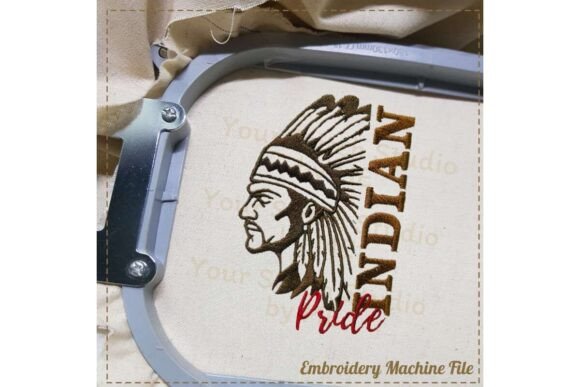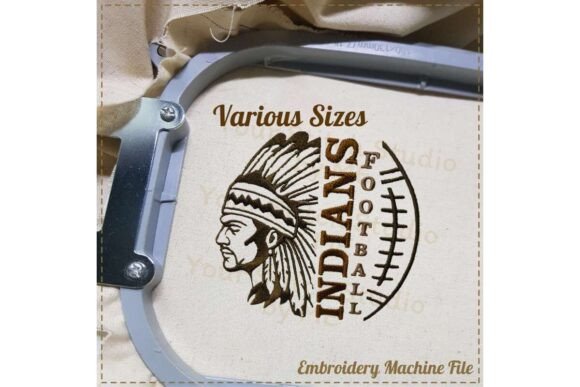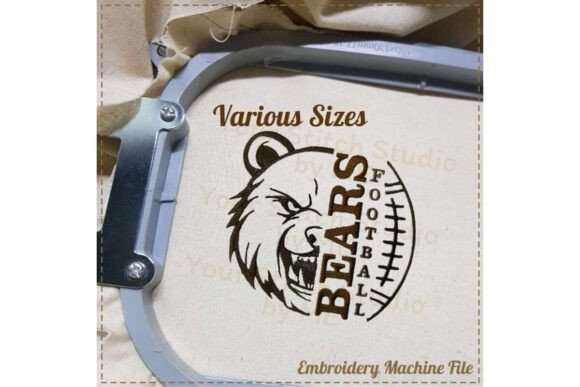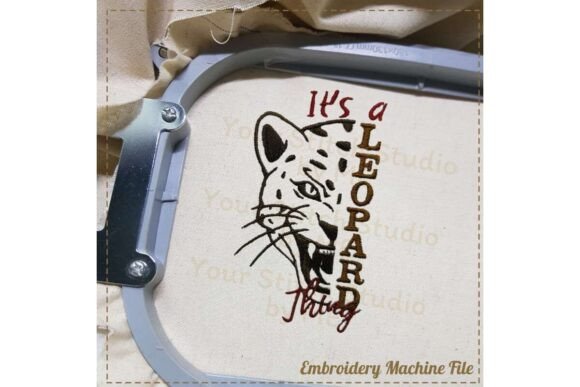
Tiger Pride Embroidery Design Review
As an embroidery designer who spends hours scrutinizing digitized files for both aesthetic appeal and production viability, I approach every new asset with a mix of creative excitement and technical skepticism. When Tiger Pride Embroidery Design landed in my review queue, categorized under Sports but positioned for broader merchandise use, I knew it had potential. The description promises versatility: embroidering it onto a tote bag, pillowcase, or even a jacket collar for a truly unique touch. It also notes that this machine embroidery design comes with multiple embroidery file formats, which is a crucial detail for modern small business owners who need flexibility across different hoops and machines.
This review isn’t just about whether the tiger looks good; it’s about whether Tiger Pride Embroidery Design works as a commercial asset. Can it hold up as a branded patch? Does it translate well to custom apparel for a local café or boutique? Let’s dive into the practical realities of using this digital embroidery file in your product line.
First Impressions: Visual Personality and Brand Fit
The title, Tiger Pride Embroidery Design, immediately suggests boldness and confidence. In the world of brand identity, few animals command attention quite like a tiger. For small business merch, this design likely strikes a balance between playful and premium. It feels energetic enough for sports teams or youth brands, yet structured enough to serve as a sophisticated logo accent on high-end workwear.
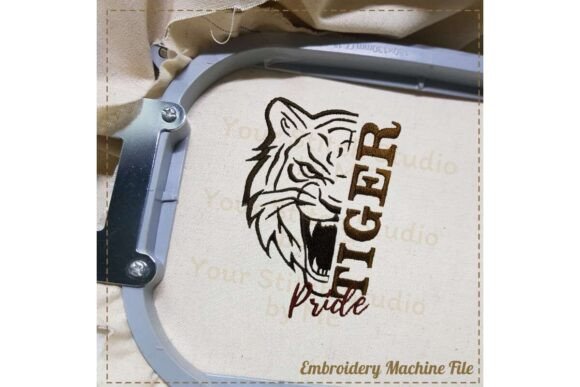
From a design perspective, the visual personality here is key. If the lines are too intricate, it may lose definition when scaled down. However, if the digitizer has prioritized clean outlines and balanced negative space, this could become a staple in your design assets. The mention of "unique touch" implies a level of customization that resonates with handmade product creators. It doesn’t feel generic; it feels like a statement piece that can elevate a plain tote bag design or add character to apron embroidery projects.
Real-World Business Applications
Where does Tiger Pride Embroidery Design shine in a commercial setting? After testing similar motifs, I see several high-value applications for Etsy sellers, craft business assets, and local branding efforts.
- Embroidered Patches: This is perhaps the strongest use case. A tiger motif translates exceptionally well to iron-on or sew-on patches. These can be sold as standalone accessories or applied to denim jackets, backpacks, and caps. The bold nature of the design ensures it remains legible even at smaller sizes, provided the stitch density is managed correctly.
- Staff Uniforms and Aprons: For a bakery, florist, or creative studio, a subtle tiger logo on the chest pocket of a work shirt adds a layer of professionalism without being overly corporate. Tiger Pride Embroidery Design offers a friendly yet authoritative presence that staff will be proud to wear, enhancing customer trust and recognition.
- Tote Bags and Market Merch: As mentioned in the product description, this design is perfect for tote bags. In the current market, reusable bags are walking billboards. A well-executed embroidery on canvas or cotton twill elevates the perceived value of the item, allowing you to charge a premium price point compared to printed alternatives.
- Caps and Headwear: Cap embroidery requires precision. If the design is compact, it fits beautifully on the front panel of a baseball cap or the side of a bucket hat. This is ideal for event merch or promotional giveaways where brand visibility is paramount.
- Product Packaging Accents: Don’t overlook small details. Applying a tiny version of the tiger to gift boxes, tissue paper tags, or hangtags creates a cohesive unboxing experience. This attention to detail fosters buyer engagement and encourages social media sharing.
Technical Considerations and Risk Areas
While the concept is strong, no design is without its challenges. As a professional, I must advise caution in specific scenarios to ensure your finished product meets quality standards.
Small Patch Sizes: If you plan to produce patches smaller than two inches, you must inspect the spacing carefully. Intricate details within the tiger’s mane or facial features may merge together, creating a muddy appearance. Always create a printable mockup at actual size to verify clarity before committing to bulk production.
Curved Surfaces: Embroidering on curved surfaces like the front of a cap or the sleeve of a jacket requires proper hooping techniques. Tiger Pride Embroidery Design may shift if the fabric is not stabilized adequately. Use a cut-away stabilizer for stretchy fabrics and a tear-away for stable wovens to prevent puckering.
High Stitch Density: Check the stitch count. If the design uses excessive satin stitches for outlines, it might become stiff and uncomfortable, especially on lightweight fabrics like t-shirts. For apron embroidery or heavy-duty canvas, higher density is acceptable, but for delicate items, lighter fill stitches are preferable.
Fabric Texture and Color Contrast: Dark uniforms require underlay stitching to prevent the base fabric from showing through. Conversely, light fabrics may show every imperfection in the thread tension. Test on your actual fabric texture before scaling up. Thread colors play a huge role here; ensure the contrast between the tiger’s fur and the background is sufficient for readability.
Impact on Brand Identity and Value
Investing in quality embroidery directly impacts your brand identity. Handmade presentation matters. Customers associate neat, precise stitching with care and quality. When they receive a product featuring Tiger Pride Embroidery Design, they perceive higher value compared to cheap screen prints that crack over time.
Furthermore, consistency is key. If you use this design across your entire product line—from tote bags to pillowcases—you build visual consistency. This repetition reinforces brand recognition. Over time, customers will associate the tiger motif with your specific style and ethos, whether that is rugged, playful, or elegant.
Practical Designer Notes for Production
Before you start running orders, follow these essential steps to mitigate risk:
- Test in Black and White: Convert the design to monochrome to check the silhouette. If it reads clearly in black and white, it will look great in color.
- Review Thread Color Contrast: Ensure the chosen thread palette complements the target fabric. High contrast usually yields the best results for detailed designs.
- Confirm Hoop Size: Verify that the design fits within your most common hoop sizes to minimize re-hooping and alignment errors.
- Test on Real Fabric: Never assume how a design will perform on synthetic blends based solely on cotton tests. Run a sample on the exact material you intend to sell.
- Create a Mockup: Use a digital mockup tool to visualize the design on your final products. This helps clients approve the placement and scale before production begins.
- Compare Side-by-Side: Place Tiger Pride Embroidery Design next to other design assets in your collection to ensure it doesn’t clash visually or stylistically.
- Check Commercial Licensing: Most importantly, confirm the commercial licensing terms. Ensure you have the right to sell physical goods made with this digital embroidery file. Avoid legal pitfalls by reading the fine print.
Final Verdict
Tiger Pride Embroidery Design is a versatile and impactful addition to any embroidery shop’s library. Its ability to transition seamlessly from casual tote bag designs to professional staff uniforms makes it a valuable tool for small business owners looking to diversify their inventory. By paying attention to stitch density, stabilizer choice, and fabric compatibility, you can leverage this design to create high-quality, memorable products that drive customer loyalty.
Remember, the success of any embroidered patch or custom apparel piece lies in the execution. Take the time to test, refine, and present your products with pride. With the right approach, Tiger Pride Embroidery Design can become a signature element of your brand’s visual story.