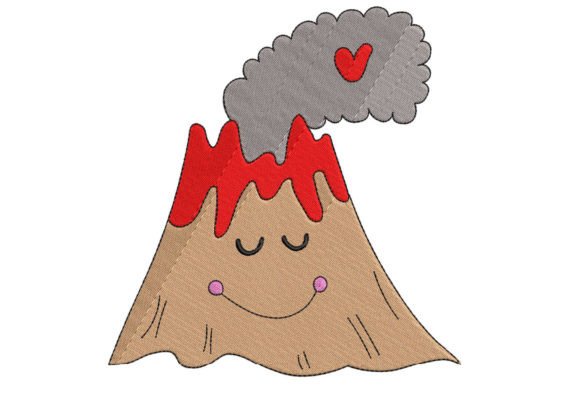
Valentine LAVA Embroidery Digitizing Review
As an embroidery designer who has spent years digitizing files for everything from high-end corporate uniforms to boutique handmade goods, I approach every new design asset with a critical eye. The market is saturated, but few designs strike the perfect balance between playful theme and professional execution. Today, I am reviewing Valentine LAVA Embroidery Digitizing, a file marketed as a "sizzling declaration of love" designed to ignite passion for the romantic season. But does it hold up when applied to real-world small business merchandise?
This review focuses on how this digital embroidery file performs in commercial applications. Whether you are an Etsy seller, a local café owner, or a merch creator looking for standout branded patches, understanding the technical and aesthetic nuances of this design is crucial before you load it into your machine.
First Impressions: Visual Personality and Brand Fit
The product description promises warmth and fire, suggesting a bold, energetic aesthetic. From a design perspective, the title "Valentine LAVA" implies a fusion of traditional romance with a modern, edgy twist. This is not a delicate, lace-like floral arrangement; it is likely a graphic-heavy, high-impact design intended to grab attention immediately.
For small business owners, this visual personality is a double-edged sword. On one hand, it offers a unique alternative to standard hearts and cupids. It feels premium yet playful, making it suitable for brands that want to appear trendy and confident. However, the term "LAVA" suggests intense colors and potentially complex gradients. When evaluating such a machine embroidery design, the first question is always: does the color palette translate well to thread? If the original artwork relies on subtle digital shading, it may lose its impact when converted to physical thread colors. A successful embroidered patch needs strong contrast and clear definition, which is why inspecting the initial mockup is vital.
Real-World Business Applications
Where does Valentine LAVA Embroidery Digitizing shine in a commercial setting? Its bold nature makes it particularly effective for items where visibility is key. Here is how I see this design performing across various product categories:
- Embroidered Patches: This design is ideal for creating back patches for jackets or front patches for beanies. The fiery theme works exceptionally well for motorcycle clubs, rock-and-roll themed cafes, or edgy fashion boutiques. As long as the stitch density is managed correctly, it will stand out against denim or leather.
- Staff Uniforms and Aprons: For a bakery or a coffee shop with a modern vibe, placing this design on a black apron can create a striking brand identity. It signals energy and passion, aligning with the service industry’s need for enthusiasm. However, ensure the placement does not interfere with pocket functionality or customer interaction zones.
- Cap Embroidery: A curved cap front is a classic spot for branding. If the design is compact enough, it can serve as a memorable logo accent. The "lava" motif could be stylized to fit within a standard 4x4 hoop, provided the lettering remains legible.
- Tote Bag Design: Canvas tote bags are staple merchandise for crafters and bookstores. A large-scale application of this design on the side or center of a tote can act as a walking advertisement. The durability of the embroidery ensures it survives frequent washing, adding value to the handmade product.
- Custom Apparel: Think beyond t-shirts. This design could work on sweatshirts, hoodies, or even pet bandanas for pet brands looking to capitalize on Valentine’s Day sales. The versatility of the digital embroidery file allows it to adapt to different fabric textures, from soft cotton blends to rugged polyester.
Strategic Placement and Cautionary Areas
Not every surface is created equal. As a designer, I must advise caution in specific scenarios where Valentine LAVA Embroidery Digitizing might struggle.
Small Patch Sizes: If you plan to scale this design down to less than two inches, readability becomes a major issue. Fine details and intricate outlines may merge together, creating a muddy appearance. Always test at the actual production size before committing to bulk orders.
Curved Surfaces and Caps: While caps are popular, highly detailed designs can distort on the curve of a hat. If the design has straight lines or precise geometric elements, they may warp during the stitching process. It is essential to use a cap frame and possibly add underlay stitches to stabilize the fabric.
Dark Uniforms and Fabric Texture: The effectiveness of this design depends heavily on thread contrast. On dark fabrics, light threads may require multiple passes, increasing stitch count and production time. Conversely, on textured fabrics like heavy wool or rough canvas, fine details may get lost. Always consider the fabric texture when choosing where to place the design.
Frequent Washing: For items like aprons or work shirts that undergo industrial laundering, high stitch density can lead to puckering if not stabilized properly. Ensure the design includes adequate stabilizer support to maintain integrity over time.
Impact on Brand Identity and Customer Trust
In the world of small business merch, every detail contributes to brand identity. Using a unique, well-executed design like Valentine LAVA Embroidery Digitizing demonstrates attention to quality. It tells customers that you care about the tactile experience of your products, not just their visual appeal.
Professionalism is conveyed through consistency. If this design is used alongside other design assets in your marketing materials, it reinforces visual consistency. Customers associate high-quality embroidery with higher product value, allowing you to command better prices. Furthermore, a distinctive design enhances customer trust and recognition, making your brand more memorable in a crowded marketplace.
Practical Designer Notes for Production
Before you start stitching, follow these essential steps to ensure success:
- Test in Black and White: Convert the design to monochrome to check contrast and spacing. This helps identify areas that may be too dense or too sparse.
- Check Hoop Size: Confirm the hoop size required by the file. If the design exceeds your machine’s capabilities, you may need to split it or resize it, which can affect the final look.
- Inspect Thread Color Contrast: Choose threads that pop against your target fabric. High contrast ensures the "lava" effect is visible and vibrant.
- Review Stitch Density: Excessive density can cause fabric distortion. Look for balanced stitch counts that provide coverage without bulk.
- Test on Real Fabric: Never assume a digital mockup translates perfectly. Stitch a sample on the actual material you plan to use, including the appropriate stabilizer.
- Create a Printable Mockup: Use a printable mockup to visualize the design on your product listings. This helps in client approval and marketing preparation.
- Confirm Commercial Licensing: Verify that you have the right to use this embroidery file for commercial purposes. Unauthorized use can lead to legal issues.
By carefully evaluating Valentine LAVA Embroidery Digitizing through these practical lenses, you can determine if it fits your brand’s aesthetic and operational needs. It has the potential to be a standout asset for Valentine’s Day collections, offering a fresh take on seasonal themes while maintaining the professionalism that discerning customers expect.