Queen of the Kitchen Embroidery Review
As an embroidery designer who spends countless hours testing stitches and planning for seasonal collections, I am always looking for designs that bridge the gap between aesthetic charm and commercial viability. Recently, I put Queen of the Kitchen Embroidery through its paces to see how it would perform as a centerpiece for a personalized gift shop. The goal was simple: determine if this design could elevate everyday items into meaningful keepsakes for customers who value handmade quality.
This review is based on my experience planning a batch of custom orders, ranging from wedding gifts to nursery decor. If you are an Etsy seller, a small business owner, or a crafter looking to expand your inventory, here is my practical assessment of how this design holds up in real-world applications.
First Impressions: Mood and Charm
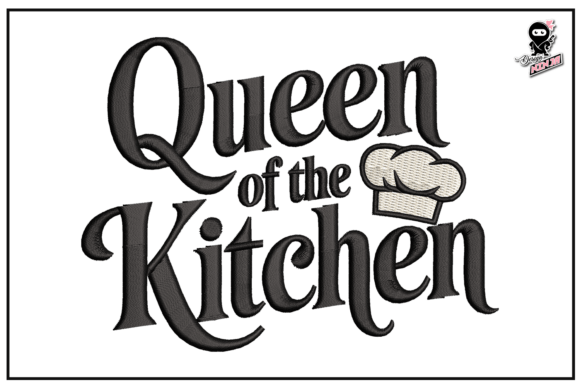
The moment I loaded the file, the Queen of the Kitchen Embroidery design struck me with a blend of playful elegance and classic warmth. It does not feel overly modern or stark; instead, it carries a timeless appeal that fits comfortably within traditional home decor trends while still feeling fresh enough for contemporary buyers. The mood is sweet yet sophisticated, suggesting that the wearer or user takes pride in their space without being loud about it.
From a detail perspective, the design strikes a balanced chord. It avoids the cluttered look of some novelty kits, opting instead for clean lines and readable text. This clarity is crucial when creating a personalized gift because the message needs to be instantly recognizable. Whether used on an apron or a kitchen towel, the design feels inviting, making it an excellent choice for customers who want to add a touch of personality to their daily routines.
Perfect Applications for Personalized Gifts
In my testing phase, I explored several product categories where this design shines. The versatility of the embroidery file allows it to adapt well to various textile surfaces, provided the fabric choice is appropriate.
- Kitchen Towels and Aprons: This is the most obvious application, but also the most effective. When stitched onto high-quality cotton towels, the design adds a layer of perceived value that turns a basic utility item into a thoughtful present. It works beautifully for housewarming gifts or bridal showers.
- Pillow Covers: For home decor enthusiasts, placing this design on a throw pillow adds a cozy, lived-in feel. It pairs exceptionally well with neutral linen or soft pastel fabrics, creating a welcoming atmosphere in any living room or kitchen nook.
- Baby Blankets and Nursery Items: While themed around cooking, the whimsical nature of the design makes it suitable for baby showers. A soft blanket embroidered with this motif serves as a charming baby embroidery project that parents will cherish. It can also be adapted for children’s bibs or burp cloths, offering a cute alternative to standard animal motifs.
- Tote Bags and Market Bags: For the eco-conscious consumer, a sturdy canvas tote featuring this design is both functional and fashionable. It appeals to those who appreciate handmade goods and enjoy carrying a bit of humor and heart with them.
- Wedding Keepsakes: Customizing this for a newlywed couple creates a unique memory. It moves beyond generic registry items and offers a sentimental connection to the couple’s new life together.
Where Caution Is Required
While the design is versatile, every experienced maker knows that not every surface is created equal. There are specific scenarios where Queen of the Kitchen Embroidery requires careful consideration to ensure a professional finish.
First, avoid using this design on highly textured fabrics like heavy waffle-weave towels or thick terry cloth without proper stabilization. The needle penetration can be difficult, and the resulting stitch definition may suffer. Similarly, stretchy baby clothes or jersey knits require a stabilizer that matches the fabric’s give; otherwise, the design may pucker after washing.
Another critical factor is hoop size and placement. If you are working on curved surfaces like the neck of an apron or the corner of a pillowcase, ensure the design fits within the natural curve without distortion. Additionally, dark fabrics demand high-contrast thread colors. If the original design relies on subtle shading, it may get lost on black or navy backgrounds unless you adjust the thread colors accordingly.
Finally, consider the end-use of the product. Items that undergo frequent, high-heat washing, such as dish towels, need robust stitching. Always check the stitch density of the file to ensure it is durable enough to withstand machine laundering without fraying or losing shape.
Impact on Giftability and Brand Trust
For sellers, the difference between a commodity and a premium product often lies in the details. Using a well-executed design like this enhances the perceived value of your handmade product. Customers are willing to pay more for items that look professionally finished and emotionally resonant.
A strong finished product builds customer trust. When a buyer receives a gift that looks polished and thoughtfully made, they are more likely to leave positive reviews and return for future purchases. Furthermore, this design lends itself well to product photography. Its clear imagery and warm tone photograph beautifully, helping your Etsy listings or social media posts stand out in a crowded marketplace.
Emotional connection is key in the gift market. A design that celebrates the joy of cooking or the comfort of home taps into universal feelings of care and hospitality. By offering this as a custom embroidery option, you allow customers to personalize the gift further, deepening that emotional bond.
Practical Notes for Execution
Before adding this to your production line, I recommend following these practical steps to ensure consistency:
- Test on Scrap Fabric: Always run a test stitch on the exact fabric you plan to use. This reveals how the material interacts with the needle and thread.
- Check Stabilizer Compatibility: Use the correct type of stabilizer (cut-away vs. tear-away) based on the fabric weight and intended wash frequency.
- Review Stitch Density: Ensure the density is appropriate for the fabric thickness to prevent puckering or needle breakage.
- Confirm Hoop Size: Verify that the design dimensions fit comfortably within your available hoop sizes, leaving room for accurate placement.
- Compare Mockups: Create digital mockups on both light and dark backgrounds to preview contrast levels before committing to production.
- Verify Licensing: Confirm the commercial licensing terms for the digital embroidery file before selling finished products. Ensure you have the right to sell items made from this design.
In conclusion, Queen of the Kitchen Embroidery is a strong addition to any designer’s repertoire. It offers a perfect balance of charm, readability, and versatility. By paying attention to fabric choices and execution details, you can create stunning kitchen accessories that delight customers and strengthen your brand’s reputation for quality.